Qué hacer en Xela después de las clases de español: una guía local para estudiantes de español.
Quetzaltenango, más conocida como Xela, es uno de los lugares más auténticos para aprender español en Guatemala. Lo que hace que la experiencia sea única no es solo la calidad de las clases, sino todo lo que sucede fuera de ellas.
Para los estudiantes de español en Xela, las tardes no son solo tiempo libre. Es cuando el idioma empieza a sentirse real, a través de conversaciones, rutinas e interacciones cotidianas.
Aquí tienes algunas de las mejores maneras de aprovechar al máximo tu tiempo después de clase.
- Explora Central Park
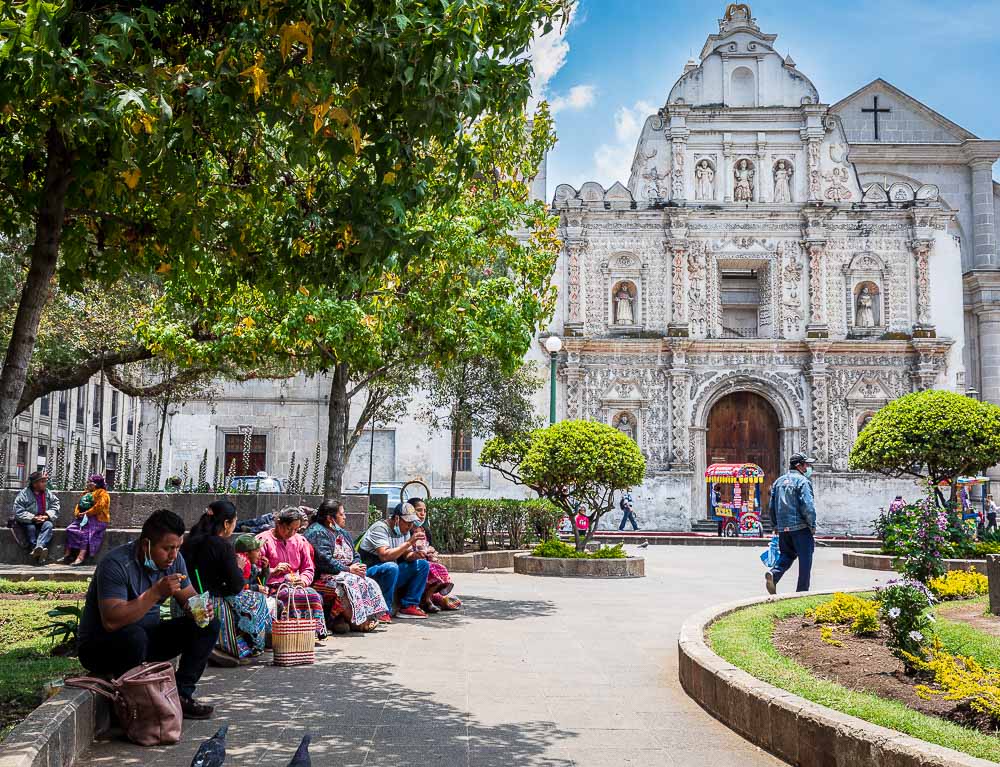
El Parque Centro América es el corazón de la ciudad, pero para los estudiantes, rápidamente se convierte en algo más: un aula de verdad. Sentarse en un banco, escuchar conversaciones o intercambiar algunas palabras con los lugareños ayuda a acortar la brecha entre estudiar español y usarlo en la práctica.
Es una actividad sencilla, pero una de las más efectivas.
- Tómate un café en una cafetería local.
Xela is surrounded by some of the best coffee regions in Guatemala, and its cafés reflect that culture. Places like Café Baviera, Panadería La Vienesa, and Café Chinajul are more than just spots to drink coffee—they are spaces where students review notes, meet others, and continue practicing Spanish in a relaxed environment.
In these settings, conversations flow more naturally, without the pressure of the classroom.
- Visit the Fuentes Georginas Hot Springs
After a day of studying, many students head to Fuentes Georginas, located about 40 minutes from the city. Surrounded by mountains and mist, these hot springs offer a chance to disconnect and recharge.
Balancing study with rest is essential, and experiences like this help maintain motivation during an intensive language program.
- Join a Language Exchange
Language exchange events are a common part of life in Xela. In cafés and bars, it’s easy to find spaces where locals want to practice English while students practice Spanish.
These informal exchanges often lead to real friendships—and that’s where language learning accelerates the most.
- Enjoy Local Cuisine
Food is one of the most direct ways to connect with culture. In Xela, students often explore dishes like pepián, chiles rellenos, and paches in places such as Tertulianos, Albamar, or even unexpected spots like Sabor de la India.
Ordering food, asking questions, and interacting with staff turns every meal into a learning opportunity.
- Go Hiking on Santa María or Visit Chicabal
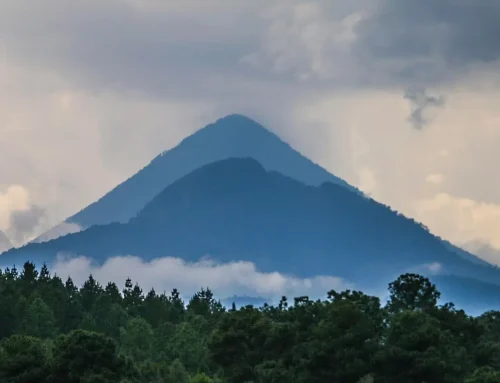
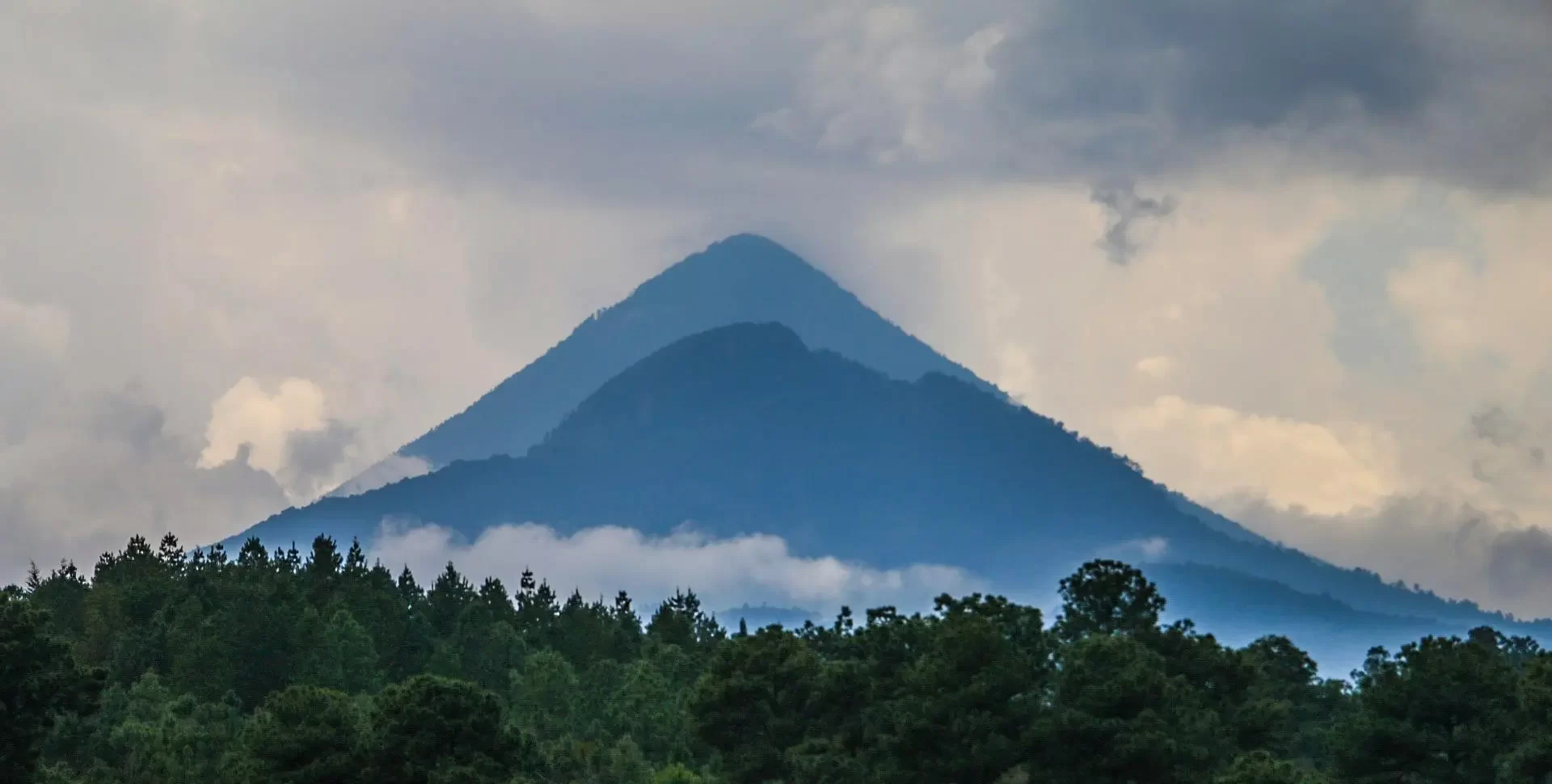
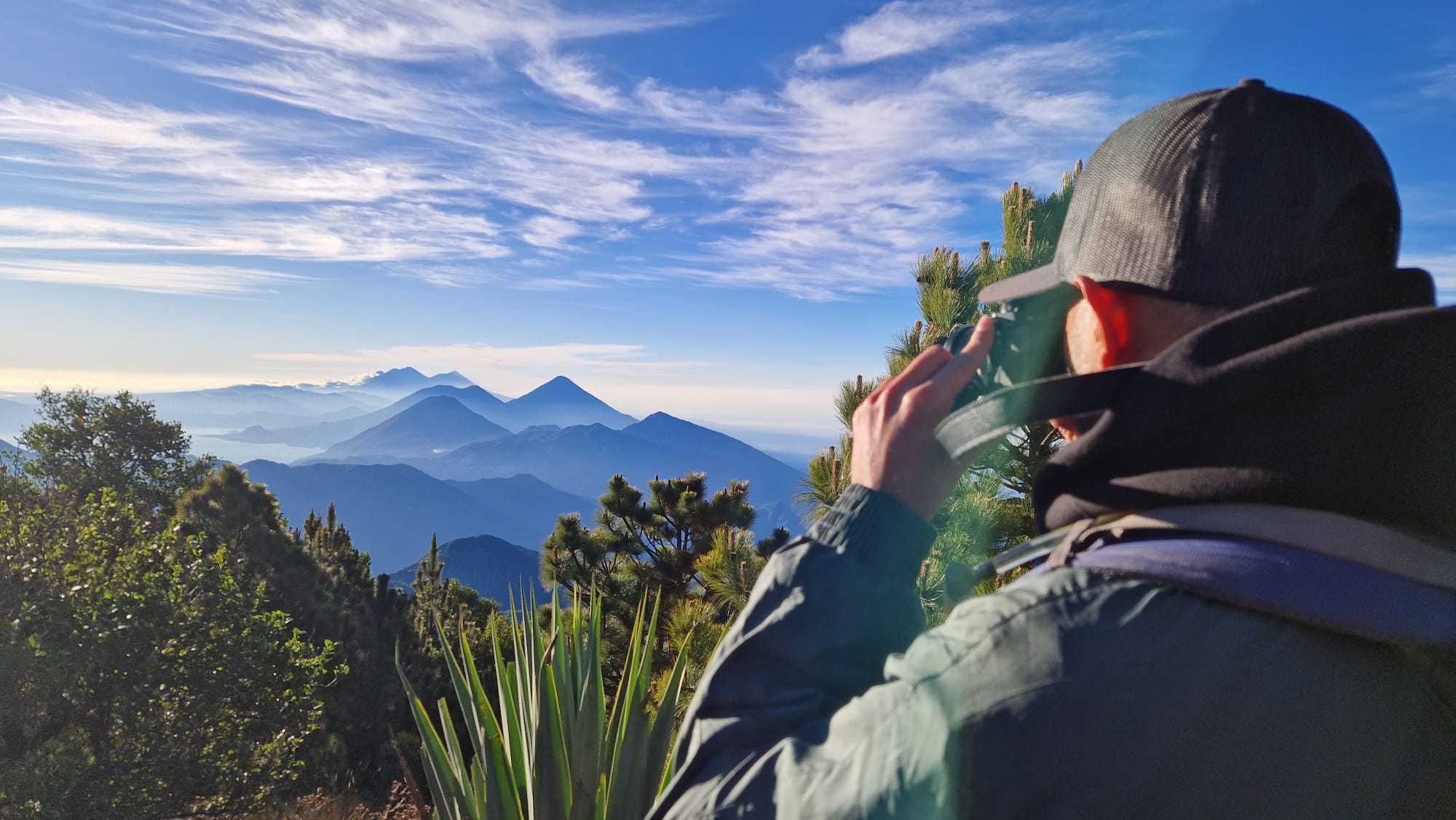
Xela’s surroundings are part of the experience. Many students take advantage of weekends or free afternoons to hike Santa María Volcano or visit Laguna Chicabal, a sacred lake in Mayan culture.
These experiences go beyond tourism—they connect language learning with place, culture, and perspective.
- Experience the Nightlife
Xela’s nightlife is active but still authentic. Students often gather in places with live music or dance classes, where Spanish becomes the language of connection.¿
Whether it’s salsa, a casual drink, or a local event, the evening offers another opportunity to practice without even thinking about it.
- Discover History and Art
The city also offers cultural spaces like the Railway Museum, the Intercultural Center, and the Municipal Theater. Visiting these places helps students understand the historical and social context behind the language they are learning.
- Volunteer in the Community
Many students look for ways to connect more deeply with Xela through volunteer work. Educational, social, and environmental projects allow them to use Spanish in meaningful, real-life contexts.
These experiences often become one of the most memorable parts of their stay.
- Read to Deepen Your Spanish
For students at an intermediate level, reading can be a powerful complement to daily immersion. A short but impactful novel like El túnel by Ernesto Sábato is often recommended.
Su profundidad psicológica y su extensión accesible lo hacen ideal para desarrollar el vocabulario, la comprensión y el pensamiento crítico, todo ello manteniendo la conexión con el idioma fuera del aula.
Conclusión
En Xela, aprender español no termina cuando acaban las clases. Continúa en las conversaciones en el parque, tomando un café, durante las excursiones y en las interacciones cotidianas.
Eso es lo que hace que la experiencia sea tan efectiva.
Porque, al final, el verdadero progreso se produce cuando el español deja de ser algo que se estudia y se convierte en algo que se vive.